
Workshop on Computational Neuroscience
International Conference
Start date: 8.07.2026
End date: 11.07.2026
Event location: Sofia, Bulgaria
The Workshop on Computational Neuroscience aims at gathering scientists from various fields of computational neuroscience, including multi-modal brain data acquisition, data analysis and modeling of brain activity.
The main goal of the event is to share experience of world leading scientists with fellow scientists and with young researchers and establish new long-term collaborations among them. The workshop will include frontal lectures and a Round Table.
Scientific Committee:
- Mina Teicher, Department of Mathematics and Gonda Brain Research Center, Director WIMSA – Advancing Women in Mathematics across the Americas, USA
- Petia Koprinkova-Hristova, Institute of Information and Communication Technologies, Bulgarian Academy of Sciences
- Velichka Milousheva, Deputy Director, Institute of Mathematics and Informatics, Bulgarian Academy of Sciences
The workshop is supported by Simons Foundation and the Ministry of Education and Science of the Republic of Bulgaria.
Arrival Day: July 8, 2026
Departure Day: July 11, 2026.
The workshop will be held in the Institute of Mathematics and Informatics at the Bulgarian Academy of Sciences, 8 Acad. Georgi Bonchev Str., 1113 Sofia, Bulgaria
Invited Speakers
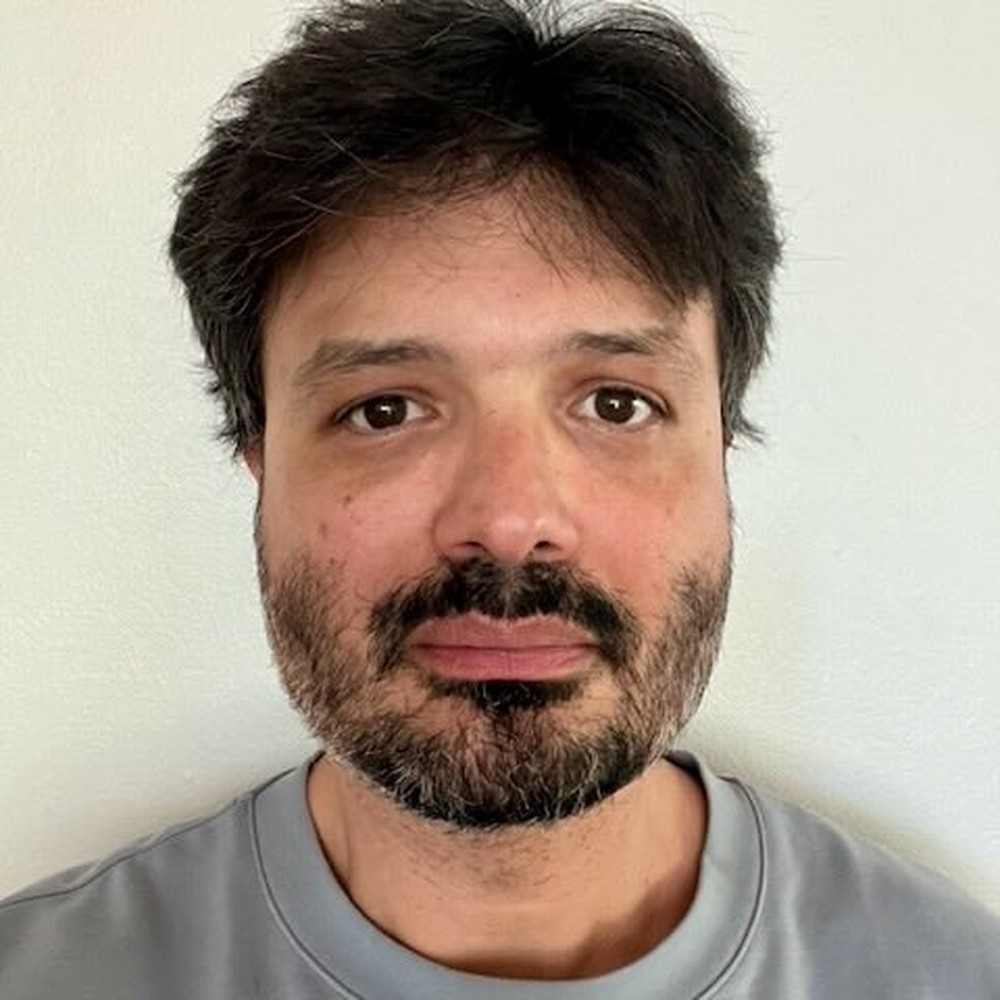

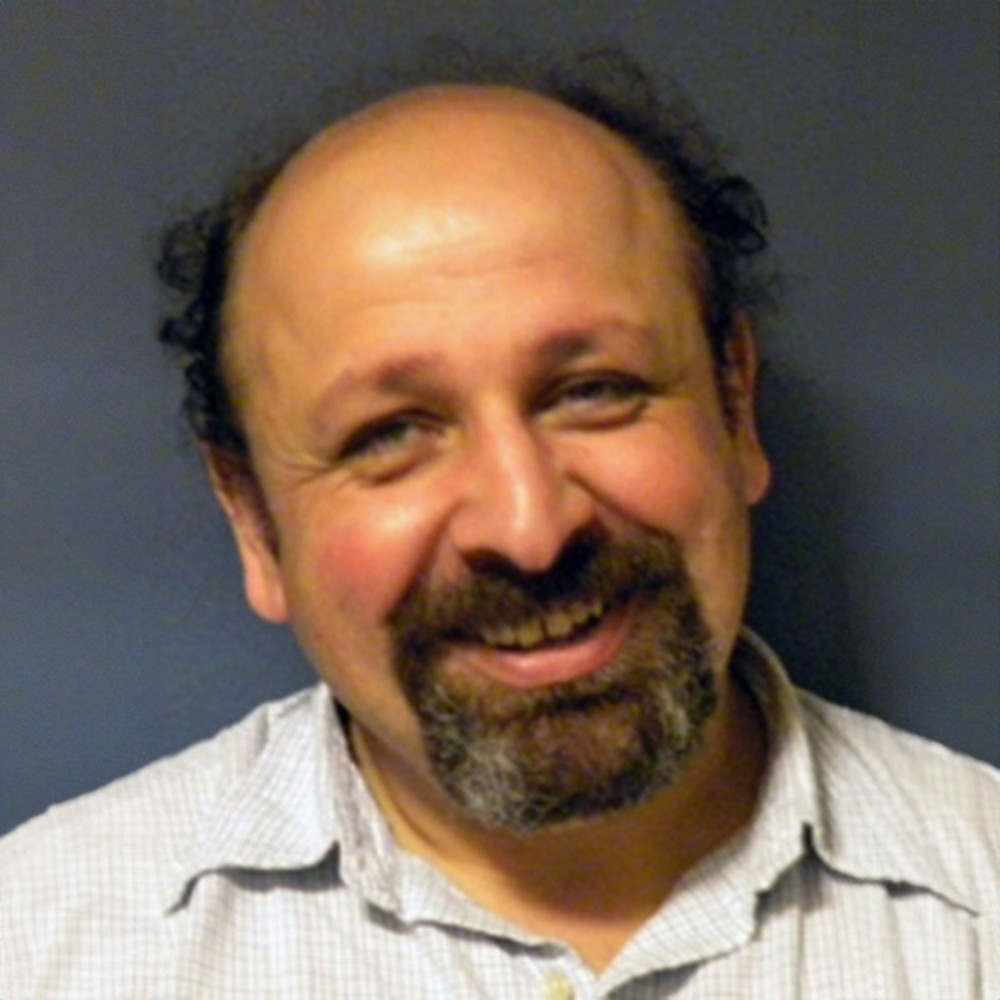

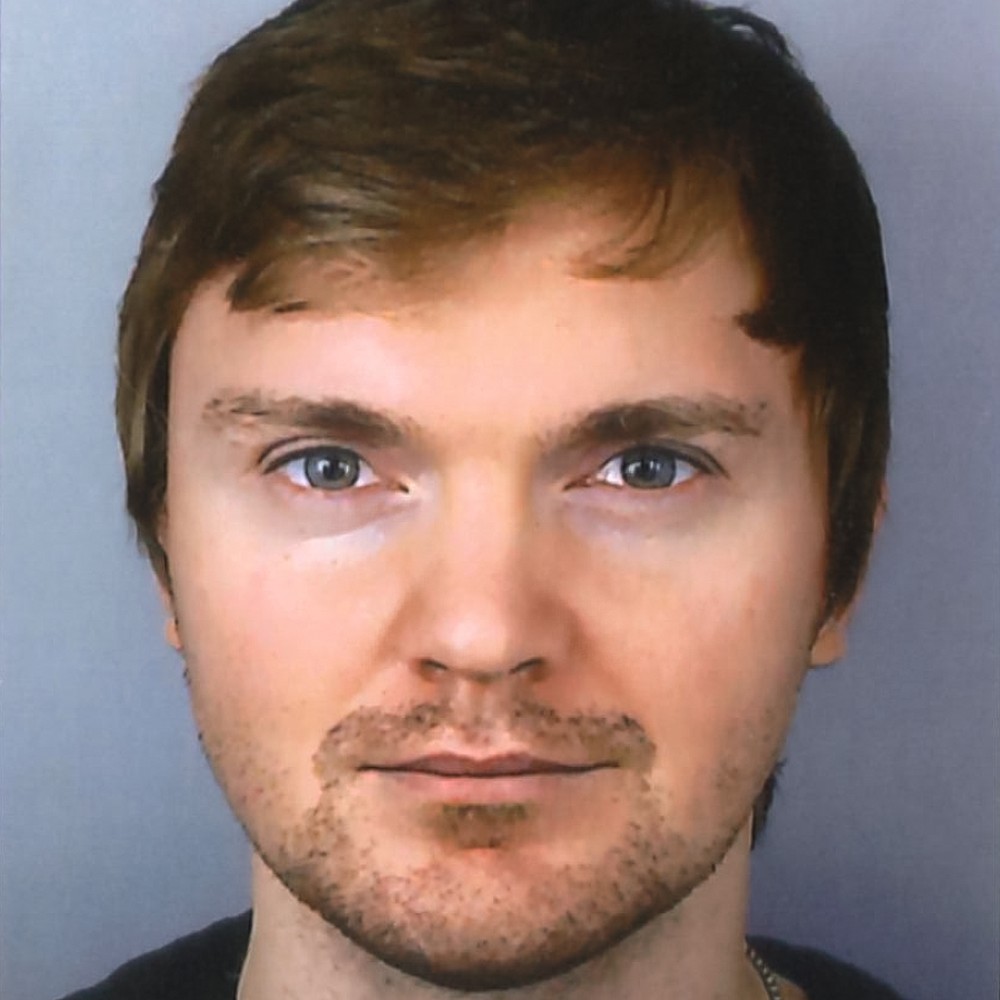
Nikolay Gabrovsky
Pirogov University Hospital, Sofia, Bulgaria
Emerging technologies and innovations in neurosurgery
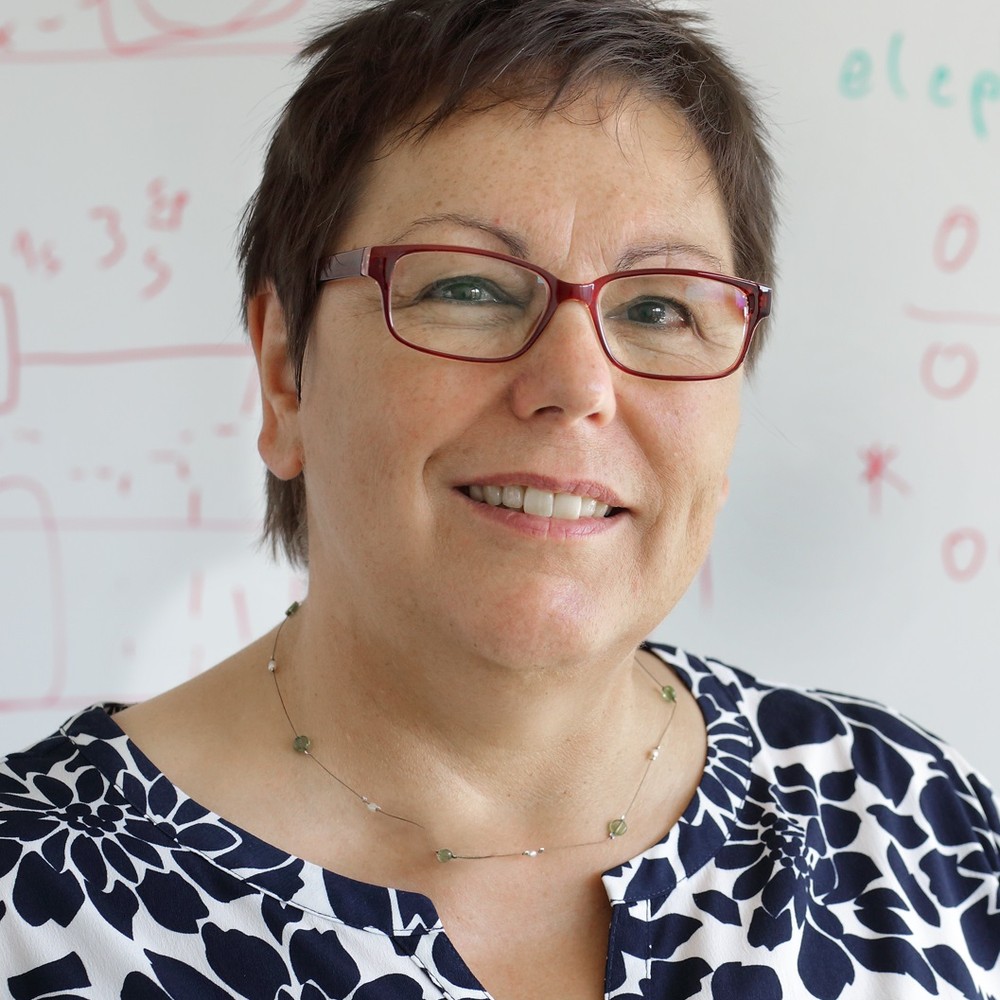




Ahmad Sleman
Bar-Ilan University, Ramat-Gan, Israel
Analysis of MEG recordings for understanding the neural mechanism underlying conceptual numerical and color perception

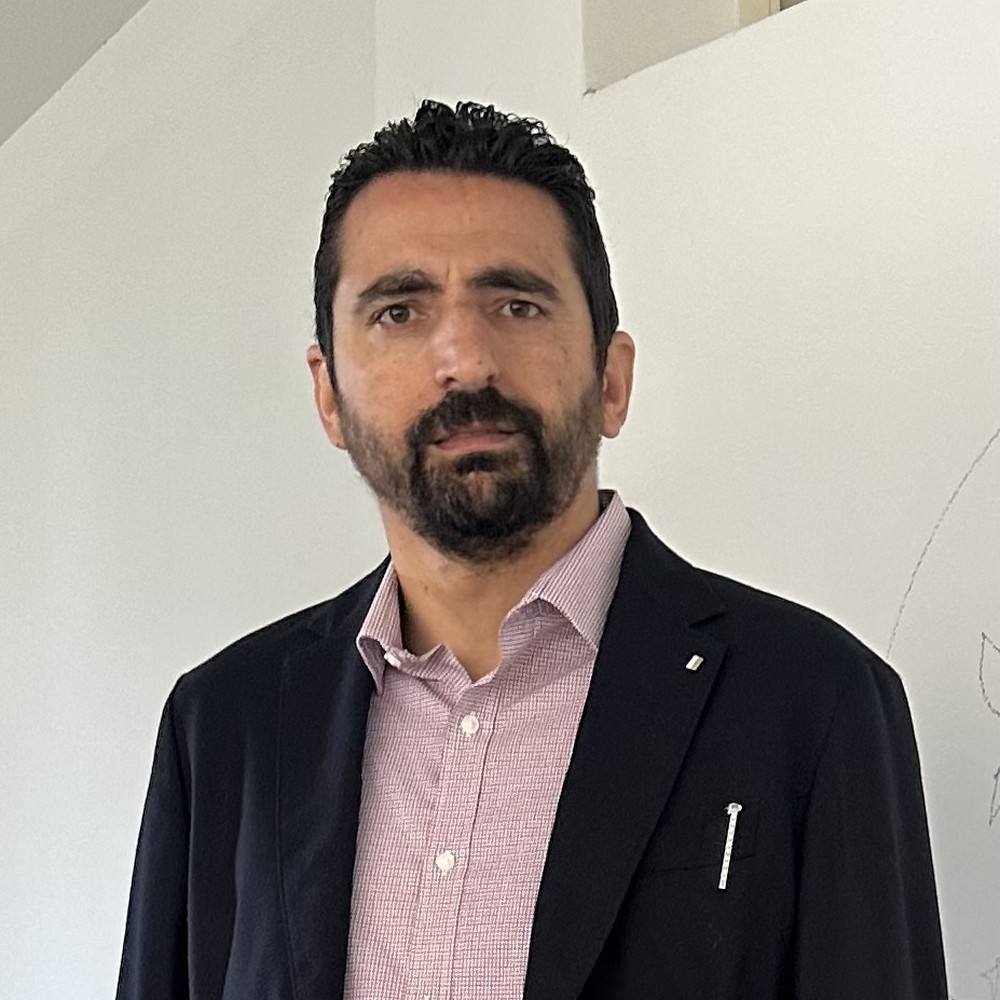
Federico Benitez
Error backpropagation in the brain, through space and time
Brains remain unrivaled in their ability to recognize and generate complex spatiotemporal patterns.
While AI is able to reproduce some of these capabilities, deep learning algorithms remain largely at odds with our current understanding of brain circuitry and dynamics.
This is prominently the case for backpropagation through time (BPTT), the go-to algorithm for learning complex temporal dependencies.
How physical neuronal networks, bound by spatio-temporal locality constraints, can perform efficient credit assignment, remains an intriguing question. Both backward- and forward-propagation algorithms rely on assumptions that violate this locality in various ways.
In this talk we propose a general formalism to approximate error backpropagation and BPTT in a controlled, biologically plausible manner.
Our approach builds on, unifies and extends several previous approaches to local, time-continuous, phase-free spatiotemporal credit assignment based on principles of energy conservation and extremal action.
We show how to arrive to a fully local (in space and time) dynamics neuron and synapse dynamics.
Our theory provides a rigorous framework for spatiotemporal deep learning in the brain, while simultaneously suggesting a blueprint for physical circuits capable of carrying out these computations, which I will also discuss in some detail.
Federico Benitez
Federico Benitez was born in Montevideo, Uruguay. He did his basic studies in Physics there and went on to obtain a PhD in Theoretical Physics at the University of Paris-Sorbonne, France. After two postdoctoral stays at the Max Planck Institute for Solid State Research in Stuttgart, Germany, and the University of Zürich, he went on to obtain a second PhD on Philosophy of Science at the University of Lausanne, Switzerland. Since then he has joined the Computational Neuroscience and Neuro-inspired Theory Modeling and Applications (NeuroTMA) groups at the University of Bern, Switzerland, where he has been working since 2021.
Markus Diesmann
Digital twins of large-scale cortical networks as research platforms for future AI
The cortical tissue of the mammalian brain exhibits a dual universality. Across species the local cortical network, called microcircuit, is highly conserved, while the volume of cortex increases from mouse to human by three orders of magnitude. And, in the same species the tissues of different brain areas are very similar. This raises hopes that fundamental principles can be discovered. The unsustainable energy consumption of present day artificial intelligence (AI) puts the low power demand of the brain in focus. A prominent difference is the spatio-temporal sparsity of the brain. But spatial sparsity only unfolds in large-scale networks which so far have been difficult to study by simulation. Furthermore, learning algorithms for the temporarily sparse interaction between neurons lag behind the state-of-the art of machine learning.
Nevertheless, in the past decade our community has made progress in the construction of anatomically detailed models of the cortical tissue. Thanks to advances in computer hardware and simulation technology, researchers now routinely work with these models at the natural density of neurons and synapses. At the example of a particular model of the cortical microcircuit, published ten years ago, the talk explores the progress the community made and the obstacles remaining [1]. Modern electron microscopy data of cortical volumes confirm the long standing hypothesis of target type specificity underlying earlier models [2].
The model became a de facto benchmark for neuromorphic computing systems and sparked a constructive race [3]: within just a few years simulation times and energy consumption dropped by two orders of magnitude. The quantitative comparison of different platforms reveals that simulation time scales as expected with the process node of conventional CPU and GPU systems, but that qualitative jumps require the architectural changes of neuromorphic systems.
The eligibility propagation (e-prop) learning rule for spiking networks achieves a similar performance as the powerful algorithms known for artificial neural networks. Recent work [4] translates e-prop to the event-driven update scheme and strict locality of neuromorphic systems. Biologically grounded constraints can inform the design of computationally efficient AI algorithms, offering scalability to millions of neurons.
[1] Plesser et al. (2025) Cereb Cortex 35(11):bhaf295
[2] Kurth et al. (2025) bioRxiv 2024.10.03.616539
[3] Senk et al. (2026) Neuromorph Comput Eng 6:012001
[4] Korcsak-Gorzo et al. (2025) arXiv:2511.21674
Markus Diesmann
Prof. Dr. Markus Diesmann is director of the Institute for Advanced Simulation (IAS-6, Theoretical Neuroscience) at Jülich Research Centre, Germany. He is also full professor in Computational Neuroscience at the School of Medicine, RWTH University Aachen, Germany and affiliated with the Department of Physics at the same university. Prof. Diesmann studied physics at Ruhr University Bochum with a year of Cognitive Science at University of Sussex, UK. He carried out his PhD studies at Weizmann Institute of Science, Rehovot, Israel, and Albert-Ludwigs-University Freiburg. In 2002 he received his PhD degree from the Faculty of Physics, Ruhr-University Bochum, Germany. From 1999 Prof. Markus Diesmann worked as senior staff at the Department of Nonlinear Dynamics, Max-Planck-Institute for Dynamics and Self-Organization, Göttingen, Germany. In 2003 he became assistant professor of Computational Neurophysics at Albert-Ludwigs-University, Freiburg, Germany before in 2006 joining the RIKEN Brain Science Institute, Wako City, Japan as a unit leader and later team leader. In 2011 Markus Diesmann moved to Jülich. In 2019 Markus Diesmann was appointed member of the Academy of Sciences and Literature Mainz, Germany. His main scientific interests include the correlation structure of neuronal networks, models of cortical networks, simulation technology and supercomputing. He is one of the original authors of the NEST simulation code and a member of the board of the NEST Initiative.
Alexander Dimitrov
Statistics of spiking neural networks based on counting processes
Estimating neuronal network activity as point processes is challenging due to the singular nature of events and high signal dimensionality. This project analyzes spiking neural networks (SNNs) using counting process statistics, which are equivalent integral representations of point processes. The Poisson counting process against which we compare, has known dynamic statistics over time: both mean(t) and variance(t) are proportional to time. By standardizing the data, trivial mean dynamics and heteroscedasticity can be removed, allowing comparison against a baseline Poisson counting process.
We simulated a spiking neural network (SNN) with LIF neurons and Poisson inputs in NEST, generating spike trains for analysis. We used a scaled-down version of Brunel’s random balanced network with delta synapses and Poisson inputs. A single simulation lasted 10 biological seconds. Multiple replicates were generated to collect statistics for the analyzing the processes. Mean and covariance of spiking events are estimated for both SNN and Poisson processes, facilitating comparison of statistical properties after standardization by subtracting the mean and scaling by the standard deviation to account for temporal dependencies. Typical statistical items like mean, covariance (10 units out of many) and Q-Q plots are easily estimated with such data as contrasted to point process data. The covariance matrix quantifies relationships between neurons at certain time and activity levels.
Alexander Dimitrov
Dr. Dimitrov is an Associate Professor in Mathematics and Statistics, and Neuroscience, at Washington State University. He directs the Mathematical and Computational Neuroscience lab at WSU Vancouver. His research interests lie at the interface of biological signal processing and neuromorphic/non-classical computing.
Dr. Dimitrov obtained his PhD at the University of Chicago under the guidance of Dr. Jack D. Cowan. He continued in a NIH-funded postdoctoral position and NSF-funded research faculty position in the lab of Dr. John Miller, before starting his own lab, initially at Montana State University and then at Washington State University since 2010.
Dr. Dimitrov is a founding board member of the Organization for Computational Neuroscience and currently serves on its governing board.
Sonja Grün
Detecting Well-Timed Spike Signatures of Cell Assemblies
Based on the fact that cortical neurons emit output spikes more reliably if the input activity is synchronous, models of cell assemblies were developed, such as the synfire chain or synfire braids (also called polychrony). Still the existence of assemblies based on precise timing in the cortex remains unproven. In this talk I outline why these assemblies are elusive, but also show results on the existence of fine and repeating spatio-temporal spike patterns in the brain. Nowadays electrophysiologists simultaneously record hundreds of individual neurons from the cortex. However, this is a tiny fraction of the existing neurons in the brain, i.e. any measurement considerably sub-samples the network, and recordings are 'blind'. Methods to detect spatio-temporal spike patterns (STPs) are meanwhile available, but questions on their statistical properties are hard to formalize. We developed a new statistical method that simultaneously considers precision of spike timing, number of spikes, total duration, number of repetitions, and the expected number of repetitions given the firing rate. We analyze experimental data of monkey motor cortex in a Reach-to-Grasp task resolved for different behavioral epochs. We find STPs that have a very low probability to occur by chance, and interpret our findings as signatures of active cell assemblies.
Sonja Grün
Sonja Grün is director of the Institute for Advanced Simulations (IAS-6, Computational and Systems Neuroscience) at Forschungszentrum Jülich, Germany, where she heads the Group on Statistical Neuroscience. She is also a full professor for Theoretical Systems Neurobiology at RWTH Aachen University, Germany. After receiving her diploma in physics (University of Tübingen) and her Dr. rer. nat. in physics (University of Bochum), she was a post-doc at the Hebrew University, Jerusalem, (Israel), where she performed multiple single neuron recordings in behaving monkeys. Then she returned to computational neuroscience to develop analysis tools for multi-electrode recordings, first at the Max-Planck Institute for Brain Research in Frankfurt/Main, Germany, and then as an Assistant Professor at the Freie Universität in Berlin. In 2003 she received her Habilitation in Neurobiology and Biophysics (University of Freiburg, Germany). In 2006 she moved to RIKEN Brain Science Institute Wako-Shi, Japan and led the Statistical Neuroscience lab, before she joined Forschungszentrum Jülich in 2011 and became full professor at Faculty I at RWTH Aachen University. Her work focuses on the development of analysis strategies and tools that uncover concerted activity in neuronal networks and in high dimensional neuronal spiking activity in the brain. The latter led to an additional focus on research data management.
Nikola Kasabov
Modelling Higher-level Perception of Audio and Visual Stimuli from fMRI Data in the NeuCube Brain-inspired Architecture
Current AI systems treat brain data in a limited context, such as classification or BMI control. However, some brain data, such as EEG, fMRI, are much richer of information and there are already brain-inspired spiking neural networks (BI-SNN), such as NeuCube [1, 2] that can capture this richness for a better understanding of brain processes. The talk introduces for the first time a neuromorphic framework based on BI-SNN that can learn and reveal dynamic spatio-temporal patterns of higher-level perception of audio and visual stimuli from fMRI data. In brain science and cognitive psychology, higher-level perception is defined as the brain's ability to interpret, organize, and assign meaning to raw sensory information. While lower-level perception acts as the initial "data collector," higher-level perception is the "interpreter" that turns those raw inputs into a coherent understanding of the world. Higher-level perception of audio or visual data is associated with areas beyond the sensory cortices, thus including for example the temporal lobe (e.g. fusiform face area), parietal lobe, prefrontal cortex.
The talk presents a new framework eXCube1 [3], based on NeuCube, that learns higher-level perception of audio and visual stimuli from fMRI data as evolving spatio-temporal associative memories (ESTAMs). ESTAMs provide an interpretable, causal account of how neural activity propagates across space and time. We show that eXCube1 learns an ESTAM from fMRI data, that constitutes dynamic associative model and a functional pathway, linking areas of the brain involved in audio/visual perception, emotion, previous memory, action intention, and manifesting causality, subjectivity, exclusion. In two fMRI case studies, dynamic spatio-temporal patterns of higher-level perception of meaningful versus meaningless visual and auditory stimuli have been learned, without access to semantic content. In the two fMRI case studies, a high classification accuracy has been achieved, while revealing structured, modality-specific spatio-temporal dynamics, consistent with known neurobiological pathways. ESTAMs are also robustly recalled from partial spatio-temporal input data, e.g. using only 20% of the training time for recall, demonstrating emergent associative memory properties suitable for predictive modelling. By explicitly modelling directed spike-based dynamics, eXCube1 moves beyond correlation-based analysis toward causal, interpretable representations of neural computation. These results can position ESTAM and eXCube1 as a future computational substrate for modelling and understanding higher-level human perception and decision making, grounded in spatio-temporal neural dynamics and for evaluating future perspectives for machine consciousness.
References:
[1] N. K. Kasabov, Time-Space, Spiking Neural Networks and Brain-Inspired Artificial Intelligence, Springer-Nature (2019) 750p., https://doi.org/10.1007/978-3-662-57715-8
[2] N. K. Kasabov, “NeuCube: A spiking neural network architecture for mapping, learning and understanding of spatio-temporal brain data,” Neural Networks, 52, pp. 62–76, 2014, https://doi.org/10.1016/j.neunet.2014.01.006
[3] Kasabov, N.K.; Yang, A.; Abouhassan, I.; Chace, C.; Kassabova, A.; Lappas, T.: eXCube1: Explainable Neuromorphic Framework for Modelling Conscious Perception of Stimuli from fMRI Data, Preprint, https://doi.org/10.20944/preprints202604.0605.v1
Nikola Kasabov
Professor Nikola K Kasabov is a Life Fellow of IEEE, Fellow of the Royal Society of New Zealand, Fellow of the INNS College of Fellows, DVF of the Royal Academy of Engineering UK. He has Doctor Honoris Causa from Obuda University, Budapest. He is the Founding Director of KEDRI and Professor Emeritus at the School of Engineering, Computing and Mathematical Sciences at Auckland University of Technology, New Zealand. He is also Visiting Professor at the Institute for Information and Communication Technologies of the Bulgarian Academy of Sciences and Dalian University, China. Kasabov is Director of Knowledgeengineering.ai and member of the advisory board of Conscium.com. He is Past President of the Asia Pacific Neural Network Society (APNNS) and the International Neural Network Society (INNS). Kasabov holds MSc in computer engineering and PhD in mathematics from TU Sofia. His main research interests are in the areas of neural networks, intelligent information systems, soft computing, neuroinformatics, spiking neural networks. He has published more than 750 publications, highly cited internationally. He has extensive academic experience at various academic and research organisations in Europe and Asia. Kasabov has received a number of awards, among them: INNS Ada Lovelace Meritorious Service Award; NN journal Best Paper Award; APNNA ‘Outstanding Achievements Award’; INNS Gabor Award for ‘Outstanding contributions to engineering applications of neural networks’; EU Marie Curie Fellowship; Medal “Bacho Kiro” and Honorary Citizen of Pavlikeni, Bulgaria; Honorary Member of the Bulgarian-, the Greek- and the Scottish Societies for Computer Science. More information of Prof. Kasabov can be found on: https://academics.aut.ac.nz/nkasabov and on https://knowledgeengineering.ai.
Alon Katz
Recognizing Different Patterns In Brain Activity MEG Recording While Thinking Of Different Numbers
Identifying thoughts from different brain activities is a difficult challenge faced by many researchers in many labs around the world. Successes have been reported in identifying whether a person is thinking about one object (for example, an elephant) or another object (like a car). In this paper, we present a technology for the first time to identify which of the numbers 1,2,3,4, or 5 a person is thinking of. We used brain recording via MEG (Magnetoencephalography), We developed methodology and algorithms for characterizing properties of brain activity related to different numbers (e.g., number 2 and number 3) and distinguished between brain activity during different visual stimuli of the same number (e.g., figure 3 or three circles). Guessing which one-digit number a person is thinking of was done via MEG recording. This is the most refined thought identification achieved so far. The newly developed methods include geometric characteristics-based encoding of MEG recordings and a multidimensional distance function that measures virtual distance among matrices with numerical entries.
Alon Katz
Ph.D. student in mathematics and a neuroscience researcher at the University of Bar-Ilan. Algorithm developer and researcher. Curious and passionate about problem-solving, mathematical modeling, and any scientific research.
Mina Teicher
Recognizing Different Patterns In Brain Activity MEG Recording While Thinking Of Different Numbers
Identifying thoughts from different brain activities is a difficult challenge faced by many researchers in many labs around the world. Successes have been reported in identifying whether a person is thinking about one object (for example, an elephant) or another object (like a car). In this paper, we present a technology for the first time to identify which of the numbers 1,2,3,4, or 5 a person is thinking of. We used brain recording via MEG (Magnetoencephalography), We developed methodology and algorithms for characterizing properties of brain activity related to different numbers (e.g., number 2 and number 3) and distinguished between brain activity during different visual stimuli of the same number (e.g., figure 3 or three circles). Guessing which one-digit number a person is thinking of was done via MEG recording. This is the most refined thought identification achieved so far. The newly developed methods include geometric characteristics-based encoding of MEG recordings and a multidimensional distance function that measures virtual distance among matrices with numerical entries.
Mina Teicher
Mina Teicher is Professor of Mathematics and Neuroscience, with an international reputation in algebraic geometry, computer vision, cryptography, cyber security, computational neuroscience, complex systems and mathematical education. She earned her Bachelor’s, Master’s and Doctoral degrees from Tel Aviv University. Her dissertation, Birational Transformation Between 4-folds, was supervised by Ilya Piatetski-Shapiro. She was a postdoctoral fellow and a repeated member of the Institute for Advanced Study in Princeton. She has been the Director of the Emmy Noether Research Institute for Mathematics at Bar-Ilan University.
She gave lectures and keynotes at many prestigious platforms and universities worldwide, including Columbia, Yale, Chicago, Miami, NYU, Pisa, MPI-Bonn, MPI-Leipzig, Shanghai, Canberra, Buenos Aires, Quito, Wits, Pretoria, Hong Kong, Moscow, Sofia and more. She was the inaugural Emmy Noether Visiting Professor at the University of Göttingen.
Currently, Mina Teicher is a member of the National Council for R&D of the Israeli government, Vice President (and founding member) of the UNESCO Digital Campus for Complex Systems, member of the Board of the American Friends of the BSF, member of the Advisory Board of the Research Institute of Okinawa University, member of the Advisory Board of the International Center for Mathematical Sciences – Sofia, and a member of the Advisory Board of the Miami Institute of the Mathematical Sciences of the Americas, where she is leading the initiative “Advancing Women in Mathematics Across the Americas” (WIMSA).
Petia Koprinkova-Hristova
Neuromorphic computing for BMI
Current development of software and hardware technologies allowed for faster simulation of brain-inspired spike timing neural network (SNN) models at lower energy consumption. This paved the way to embedding of SNNs inspired by computational neuroscience in neuromorphic devices intended to support BMIs. The talk presents our team results on European project devoted to creation to auto adaptive decoders of brain activity supporting neuro-prosthetic devices.
The neuromorphic decoder consists of two basic modules: a SNN structure having topology and connectivity based on the spatial positions of ECoG electrodes that extracts spatiotemporal features of brain recordings and an ESN module having random recurrent connectivity inspired by neocortical networks able no on-line learning to classify the incoming data streams. Both modules have homeostatic auto-adaptive abilities using STDP and IP tuning learning rules.
The neuromorphic model is ready for embedding in a neuromorphic hardware (SPiNNAker or Loihi) that will allow for its real time exploitation in future.
Petia Koprinkova-Hristova
Petia Koprinkova-Hristova received MSc degree in Biotechnics from the Technical University – Sofia in 1989 and PhD degree on Process Automation from Bulgarian Academy of Sciences in 2001. Since 2003 she was Associate Professor in the Institute of Control and System Research and from January 2012 – in the Institute of Information and Communication Technologies, Bulgarian Academy of Sciences. She became full Professor in Informatics and Computer Sciences in November 2019. Her main research is related to applications of Artificial Intelligence in various fields. Her expertise is in reinforcement learning, spike timing neural networks and recurrent neural networks. She was elected member of ENNS executive committee for 2011 – 2019. She is currently a member of IFAC Technical Committee on Computational Intelligence and Bulgarian representative in the IFIP Technical Committee on Human-Computer Interaction.
Anno C. Kurth
Activity-gated plateau potentials reinforce place-fields via behavioral time-scale plasticity
Humans and animals rapidly adapt to ever changing environments. In mammals, this is accompanied by the quick formation of hippocampal place fields. Recent experimental findings highlight behavioral time-scale plasticity (BTSP) as the driver of the required synaptic changes, rather than classical Hebbian mechanisms like STDP. BTSP is not directly driven by post-synaptic activity but controlled by instruction signals. These instruction signals are widely believed to occur randomly. This raises a fundamental question: if instruction signals are stochastic and, as the experimental literature suggests, place fields are reinforced across days, how are instruction signals coordinated? Here we propose that a neuron’s own activity biases the probability of plateau initiation to selectively reinforce established place fields by generating its own instruction signals in a closed-loop manner. With a stylized computational model we show that plateau potentials controlled by back-propagating action potentials (bAPs) stabilize place fields, reinforce representations and explain consistent sub-representations of hippocampal maps across days. Mechanistically, this approach builds on recent experimental evidence that highlights a role of bAPs in plateau potential initiation. We further explore this idea in the context of spontaneous formation of representations in the presence of repeating input patterns. Taken together, our results suggest that activity-gated instruction signals enable new representations and provide a mechanism for their reinforcement in the hippocampus.
Anno C. Kurth
Current: Postdoctoral Researcher, Hierarchical Neural Computation RIKEN ECL Research Unit, RIKEN Center for Brain Science,
2024: PhD Computational Neuroscience, IAS-6, Forschungszentrum Juelich and RWTH Aachen
2018: MSc Mathematics, University of Bonn
Milena Mihaylova
Visual Information Processing in Autism Spectrum Disorder: A Multi- and Interdisciplinary Research Framework
Autism spectrum disorder (ASD) is a neurodevelopmental condition associated with differences in social communication, restricted interests, and repetitive patterns of behavior. In recent years, sensory processing has become an increasingly important focus of research, since sensory atypicalities are observed early in development and may contribute to later differences in perception, behavior, and social communication. Among sensory modalities, vision offers a particularly informative domain for studying neurodevelopmental mechanisms, because visual information processing can be examined at multiple levels, from the optical apparatus of the eye and early visual pathways to cortical processing and conscious perception.
The project focuses on comparative interdisciplinary studies of visual information processing in individuals with ASD and typically developing participants. It combines optometric assessment, psychophysical experiments, neurophysiological methods, psychological and linguistic approaches, and methods for integrating heterogeneous data in a semantic graph database. The combination of these approaches will provide insight into how visual information is processed from the lowest levels of the visual system and the optical apparatus of the eye, through the early visual pathways, to cortical processing and conscious perception.
The integration of psychological and linguistic methods will enable the analysis of how characteristics of visual information processing influence conscious visual perception, the development of strategies for solving visual tasks, and response generation. By integrating data from various sources into a semantic graph database, the project aims to identify new influencing factors, as well as neurophysiological and behavioral markers that could complement traditional clinical criteria.
The information obtained through this multi- and interdisciplinary approach will provide a basis for testing explanatory models of atypical visual information processing in ASD. In the longer term, such models could support the development of strategies aimed at facilitating more individualized forms of support.
Milena Mihaylova
Assoc. Prof. Milena S. Mihaylova, PhD, is a researcher at the Institute of Neurobiology, Bulgarian Academy of Sciences, at the Department of Sensory Neurobiology, and a part-time lecturer at the Department of Optics and Spectroscopy, Faculty of Physics, Sofia University “St. Kliment Ohridski”. Her research focuses on psychophysical and neurophysiological aspects of visual information processing, spatial vision, the dynamics of visual perception, and visual perceptual differences in neurodevelopmental conditions, including autism spectrum disorder, attention deficit hyperactivity disorder, and dyslexia. Assoc. Prof. Mihaylova has led and participated in research projects funded by the Bulgarian National Science Fund, the Wellcome Trust, and the European Commission. Her current work is directed toward developing multi- and interdisciplinary approaches to the study of visual processing in autism spectrum disorder.
Mihai A. Petrovici
Spiking at the speed of light
With characteristic time constants on the scale of microseconds, analog electronics have set the standard for neuromorphic acceleration of spiking neuronal networks. But what if we could do even better? Recently, photonic crystal nanolasers with excitable behavior were first demonstrated. They can thus be engineered to emit optical pulses – spikes – on characteristic time scales of nanoseconds. The expected improvements of several orders of magnitude over current state-of-the art neuromorphic systems can provide a massive boost to spike-based computation, especially on statistically demanding tasks. Additional inspiration from biology can further enhance these networks' capabilities: while prominent aspects of cortical dynamics engender superior generative networks, simple spike-based learning rules can help address one of the toughest challenges of biological deep learning – the weight transport problem.
Mihai A. Petrovici
Since my earliest days as an aspiring physicist, my chosen fields of study have been marked by emergent phenomena arising from complex interactions, from high-multiplicity particle collisions to ultracold glasses and, ultimately, neuromorphic systems. It is this science of complexity that continues to intrigue and inspire me. Following my PhD with Karlheinz Meier at Heidelberg University, I moved to the University of Bern, where I am now leading the Neuro-inspired Theory, Modeling and Applications (NeuroTMA) Lab.
I believe there is much to learn from brains about cognition, but taking steps beyond biology may well be warranted when building physical substrates for artificial intelligence – there are good reasons for airplanes not to flap their wings. Therefore, in our group, we combine knowledge and methods from a variety of fields – neuroscience, mathematics, physics, machine learning and microelectronics – to understand biological intelligence and extract its key features for subsequent implementation in silico.
Georgi Rusev
Spectral Feature Extraction from ECoG Signals: Impact of Filtering and Window Length
This study investigates the impact of filtering and window length on electrocorticography (ECoG) signals within a brain-computer interface (BCI) processing pipeline. Building upon a previously developed Area Under Curve (AUC) approach, spectral information across a Morlet wavelet-transformed fundamental frequency range from 10 to 150 Hz was combined in steps of 10 Hz. This work evaluates the structural impact of temporal window selection and spatial filtering on ECoG signal. Two experimental scenarios were conducted:
First, a standard 100 ms temporal window was compared against an alternative 1 s window from which a 100 ms window centred around the peak Morlet activity was extracted.
Second, the Common Average Reference (CAR) spatial filter to reduce common-channel noise and improve the signal-to-noise ratio (SNR) was employed. In this experiment, the same two time-window selection approaches were used.
Within these setups, both amplitude-based (absolute values) and power-based (squared magnitude) spectral metrics derived from the Continuous Wavelet Transform (CWT) in the two scenarios were extracted.
One-way ANOVA p-values were utilized to statistically analyse and identify the most informative feature extraction configurations for capturing task-related neural dynamics.
Georgi Rusev
Georgi Rusev is a PhD student at the Institute of Information and Communication Technologies, Bulgarian Academy of Sciences (IICT-BAS). He holds a Bachelor’s degree in Informatics and Software Science (2023) and a Master’s degree in Computer and Software Engineering (2024), both from the Technical University of Sofia. In February 2025, he officially advanced his academic career as a PhD student at the IICT-BAS of the Bulgarian Academy of Sciences.
Georgi has accumulated significant research experience within IICT-BAS through his involvement in multiple scientific projects. Since December 2023, he has been working as a Programmer on the NEMO-BMI: Auto-adaptive NEuroMOrphic Brain-Machine Interface: toward fully- embedded neuroprosthetics project. Also he involves as a Programmer in two projects funded by the Bulgarian Science Fund: Modeling post-perceptual stages of cognitive processing and conscious representations of visual information (since November 2024), as well as a project modelling and decision-making in disaster medicine (since June 2025). He previously served as a Young Scientist at the institute from August 2024 to January 2025.
His research interests are in Machine Learning, Neural Networks, and Brain–Machine Interfaces (BMI).
Nikolay Gabrovsky
Emerging technologies and innovations in neurosurgery
Neurosurgery has always been recognized as a highly technological medical specialty, driven by continuous innovation and advanced technologies.
This lecture provides an overview of these developments and their transformative impact on contemporary neurosurgical practice. Key areas include artificial intelligence, digital phenotyping, advanced imaging, neuronavigation and robotics, as well as decision support systems, with a focus on their clinical applications and influence on patient outcomes.
A practical perspective will be offered on how these innovations can enhance precision, safety, and efficiency in neurosurgical care, while also outlining future directions for research and collaboration.
Ahmad Sleman
Analysis of MEG recordings for understanding the neural mechanism underlying conceptual numerical and color perception
Many functional neuroimaging studies have investigated the brain regions which support numerical and color perception processes. Yet, despite their central position in human cognitive importance, our understanding of the brain correlations of the processes involving is still evolving.
In the first step, we developed and utilized a variety of methods to analyze the brain data:
ICA algorithm: a computational method for separating a multivariate signal into additive subcomponents.
PCA algorithm: a method of computing the principal components and using them to perform a change of basis on the data.
After processing the data and analyzing the results we obtained the following:
The beginning of the response, for different representations of the same number, is found in the same area of the brain.
For different representations of the same number, the center of the reaction area is the same, but the continuation of the response varies according to the type of representation of the number. For different representations of the same number, the beginning of the response is found in the same area, however the later stages of the response vary different.
For different numbers, there are different response areas in the human brain. In particular, 1 and 5 appear in different power then 2,3 and 4.
The human brain utilizes more resources when it responds to a stimulus of the symbols, specifically seeing a group of white circles, rather than seeing a digit (such as 3), which corresponds to the same amount of circles.
The difference in response. seeing a number, and seeing white circles, was not due to the counting action of the white circles.
In the second step, we develop methods of vector mapping (embedding) for signals generated using MEG. embedding methods are necessary for data vectoring and later processing and are very useful to the use of machine learning models and pattern recognition algorithms. We will develop a new kind of embedded using many time series analysis methods and algorithms, in order to get the most representative vector of the signal within minimum information loss.
We also use machine and deep learning approaches as methods for MEG single-trial analysis. Using these methods, we aim to better understand the neural mechanism underling conceptual numerical and color perception.
We are investigating the use of Random Forest and Artificial Neural Networks machine learning models to classify the neural activity behind these two tasks. For this we have extracted neurophysiological properties of the signal for each trail and participant. The features extracted from the data include the time, frequency and space domain.
We further plan to explain the model by identifying which features it is using in order to successfully separate between the tasks. Previous research done in our lab have shown a few important characteristics of conceptual numerical perception. We expect that machine learning approaches will reveal more features beyond those that have already been found and that can be observed in conventional analysis methods.
Conference Talks Recordings
Venue

Institute of Mathematics and Informatics at the Bulgarian Academy of Sciences
8 Acad. Georgi Bonchev Str.
1113 Sofia, Bulgaria(+359 2) 979-38-28
Aided by


